Development Economist • Impact Evaluation Specialist • Program Analyst
Driving data-powered strategies for sustainable development, inclusive growth, and resilient communities. Turning data into insights, and insights into solutions for people and the planet.
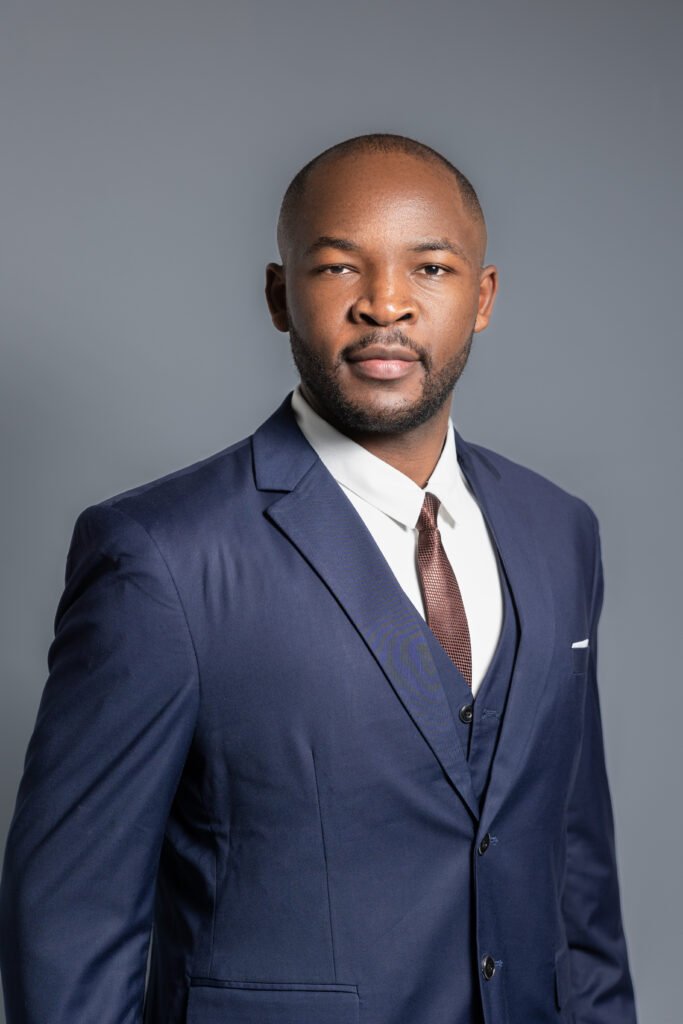
I am Roberto Carlos Tientcheu, a development economist passionate about building evidence-based solutions for global challenges. My work focuses on impact evaluation, inclusive finance, sustainability, and public policy analysis, with the goal of transforming data into strategies that improve lives and strengthen institutions.
I have collaborated with international organizations such as UNDP, FAO’s World Food Forum, and global NGOs, and founded YouthShare Initiatives, a platform connecting young leaders from 16+ countries. My academic journey across Cameroon, France, Bulgaria and international institutions has shaped a global perspective combined with local insights. At the intersection of research, digital innovation, and sustainable development, I bring rigor, independence, and a strong commitment to equity.